What is Alopecia (Hair Loss)?
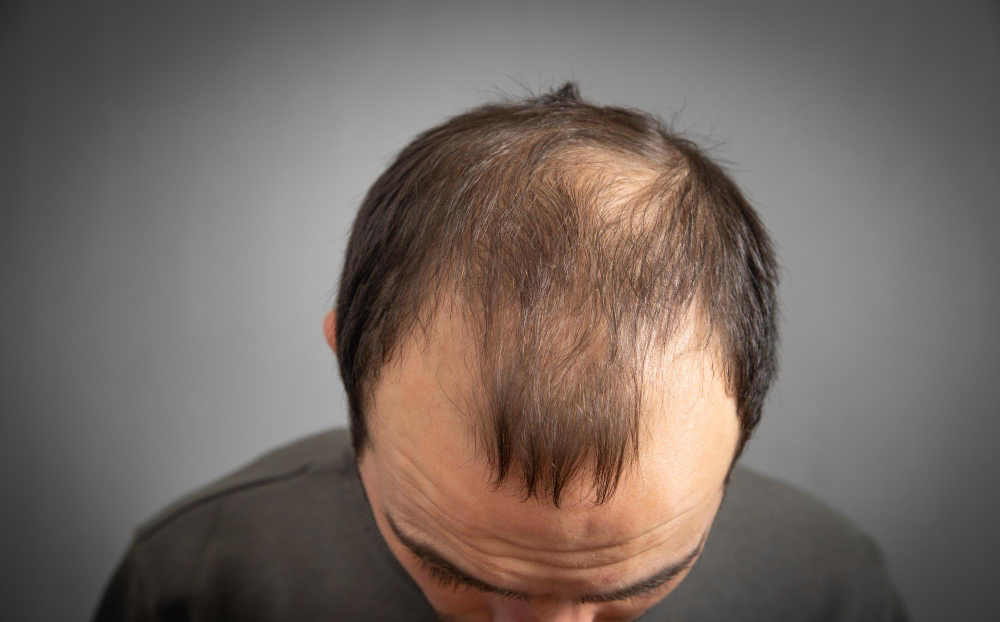
Alopecia means hair loss. It can affect your scalp or other parts of your body. Many people experience alopecia at some point in their lives. Sometimes, hair loss is temporary. Other times, it can be permanent. Because alopecia can have many causes, it is important to understand what might be happening. Early attention can help you find the right treatment for hair loss.
Common Symptoms of Alopecia
Alopecia symptoms can look different for each person. However, there are some signs to watch for. For example, you may notice:
Sometimes, hair loss happens slowly. In other cases, it can occur quickly. If you see these symptoms, it is wise to pay attention and seek help if needed.
Causes and Risk Factors
There are many hair loss causes. Some are common, while others are rare. For instance, genetics play a big role. If your parents had hair loss, you might too. But other factors can also lead to alopecia, such as:
Because many things can cause alopecia, it is important to look at your overall health. Sometimes, making small changes can help prevent hair loss.
How is Alopecia Diagnosed?
Doctors use several steps to diagnose alopecia. First, they will ask about your symptoms and medical history. Next, they may look closely at your scalp and hair. Sometimes, they will gently pull on your hair to see how much comes out. In some cases, your doctor may order blood tests. These tests can check for health problems that cause hair loss. Rarely, a small piece of skin from your scalp may be tested. This is called a biopsy. With these steps, your doctor can find the best treatment for hair loss.
Treatment Options for Alopecia
Treatment for alopecia depends on the cause. Some people see hair regrow without help. However, others may need medical treatment. Common options include:
Because each person is different, your doctor will help choose the best plan. Sometimes, combining treatments works best. According to the American Academy of Dermatology, early treatment can improve results.
Tips for Managing and Preventing Hair Loss
While not all hair loss can be prevented, there are steps you can take. For example, you can:
Additionally, regular check-ups can help spot problems early. If you notice more hair loss than usual, it is wise to talk to a doctor.
When to See a Dermatologist
Sometimes, hair loss is normal and temporary. However, you should see a dermatologist if:
Because dermatologists specialize in skin and hair, they can help find the cause. Early care can make a big difference in treatment for hair loss.
Consult a dermatologist at Pravalika’s Skin, Hair, and Aesthetic Clinic for personalized advice on alopecia and hair loss.