
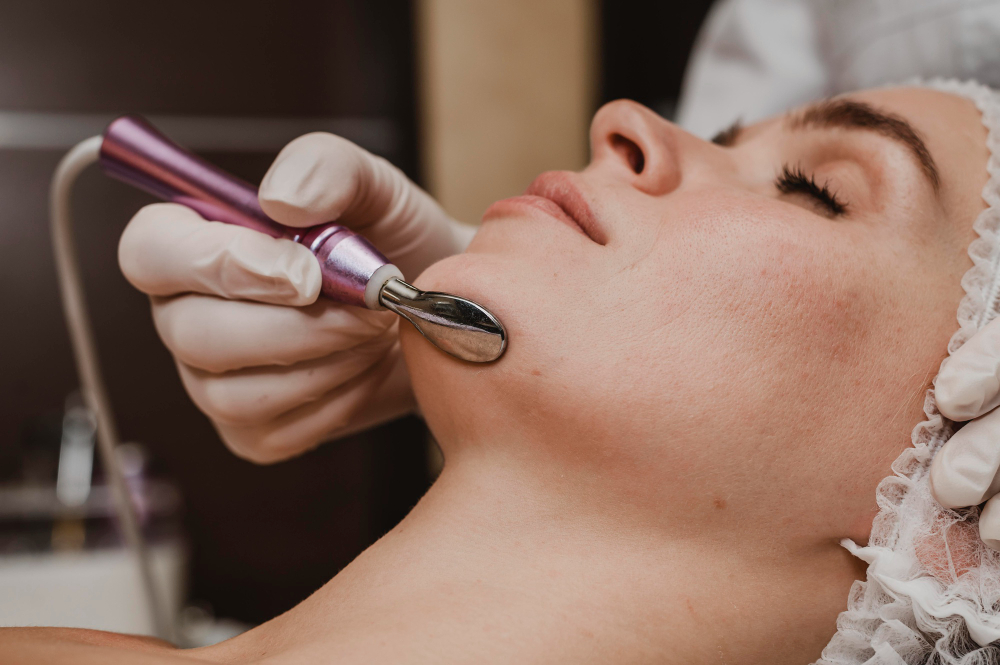
What is Microneedling (Dermapen)?
Microneedling, also known as collagen induction therapy, is a skin treatment. It uses a device called the Dermapen. This device has tiny, fine needles. When moved across your skin, these needles create tiny holes. As a result, your skin starts to heal itself. Many people choose microneedling for acne scars and large pores. It is a popular option at many microneedling clinics near you.
How Microneedling Stimulates Collagen
During microneedling, the Dermapen makes small, controlled injuries in the skin. Because of these tiny injuries, your body sends healing signals. This process boosts collagen and elastin production. Collagen is a protein that keeps your skin firm and smooth. Over time, new collagen fills in scars and tightens pores. Therefore, your skin looks fresher and healthier.
Benefits for Acne Scars and Large Pores
Microneedling for acne scars and large pores offers many benefits. For example, it can:
In addition, studies from dermatology journals show that microneedling is safe and effective for most skin types.
The Microneedling Procedure: What to Expect
Before the treatment, your skin will be cleaned. Next, a numbing cream is applied to reduce discomfort. Then, the Dermapen device is gently moved over your skin. You may feel a slight prickling or tingling. The whole process usually takes 30 to 60 minutes. Afterward, your skin may look red, like a mild sunburn. However, this redness often fades within a day or two.
Here is what you can expect during a typical session:
Safety, Side Effects, and Aftercare
Microneedling is considered safe when done by a trained professional. Still, some mild side effects can occur. For instance, you may notice:
These effects usually go away in a few days. To help your skin heal, follow these aftercare tips:
If you notice signs of infection, such as pus or severe pain, contact your doctor right away. According to the American Academy of Dermatology, most people recover quickly and see results within a few weeks.
Who Should Consider Microneedling?
Microneedling is suitable for many people. You may benefit if you have:
However, some people should avoid microneedling. For example, if you have active acne, skin infections, or certain skin diseases, this treatment may not be right for you. Always talk to a certified dermatologist before starting any new skin procedure.
Prevention and Lifestyle Tips for Healthy Skin
While microneedling can improve your skin, healthy habits matter too. To keep your skin looking its best, try these tips:
With these steps, you can help prevent new scars and keep your pores clear.
Conclusion
In summary, microneedling with Dermapen is a safe and effective way to treat acne scars and large pores. Because it boosts collagen, your skin can look smoother and healthier. For best results, always choose a certified professional. Consult a certified dermatologist Dr Pravalika to find out if microneedling is right for you.