
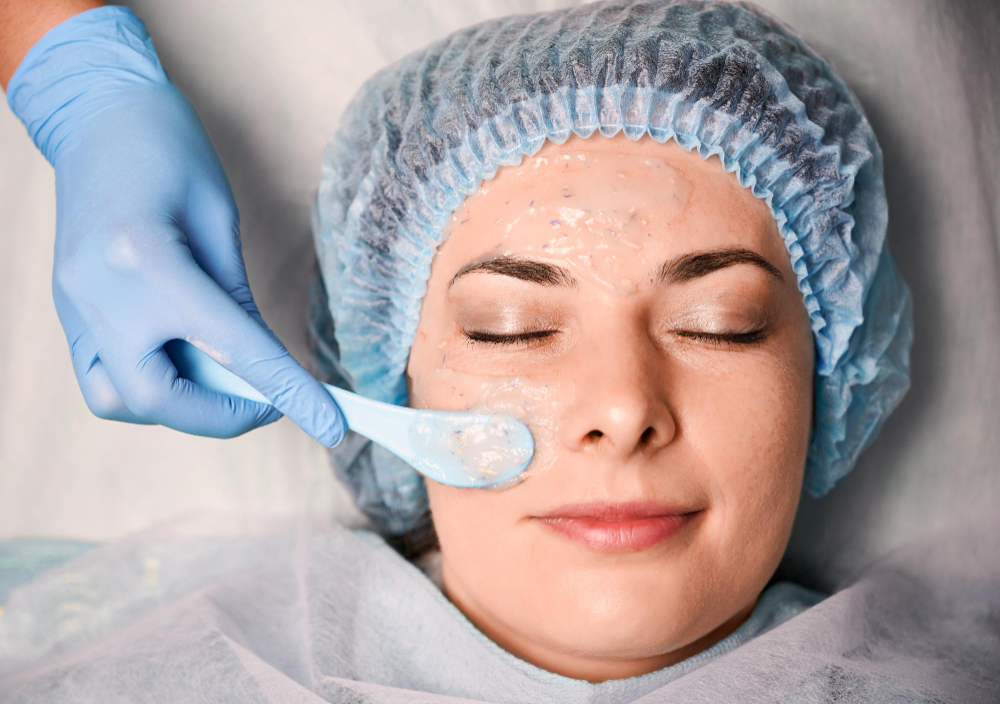
What Is Chemical Peeling?
Chemical peeling is a skin treatment that uses special solutions to remove the top layers of skin. As a result, new, smoother skin can grow in its place. Many people choose this procedure to improve their skin’s look and feel. In fact, chemical peels are one of the most popular skin rejuvenation procedures today.
Why Is Chemical Peeling Done?
People get chemical peels for both medical and cosmetic reasons. For example, some want to treat certain skin problems, while others hope to refresh their appearance. Often, doctors recommend chemical peels to help with:
Additionally, chemical peels can help with rough skin texture. In some cases, they are used as part of a treatment plan for certain skin conditions. According to the American Academy of Dermatology, chemical peels are safe and effective when done by trained professionals.
Common Skin Concerns Treated by Chemical Peels
Many people seek chemical peels to address specific skin concerns. For instance, you might consider a peel if you have:
Because chemical peels can target many issues, they are a popular choice for skin rejuvenation.
Who Is a Good Candidate?
Not everyone is the right fit for chemical peeling. However, you may be a good candidate if you:
On the other hand, people with certain skin types or medical conditions may need to avoid chemical peels. Therefore, it is important to talk to a dermatologist before deciding.
Benefits and Expected Results
Chemical peels offer many benefits. For example, they can:
Most people notice results after just one treatment. However, deeper peels may require more recovery time. Still, the results can last for months or even years, depending on the type of peel.
Safety, Risks, and Considerations
Although chemical peels are generally safe, there are some risks. For instance, you may experience redness, swelling, or peeling after the procedure. Rarely, infection or scarring can occur. Therefore, it is important to choose a certified dermatologist for your treatment. According to the American Academy of Dermatology, following aftercare instructions lowers the risk of problems.
How to Prepare for a Chemical Peel
Before your chemical peel, your doctor will give you specific instructions. Usually, you may need to:
Because preparation helps prevent side effects, always follow your doctor’s advice closely.
Aftercare and Recovery Tips
After a chemical peel, your skin will need gentle care. For best results, you should:
Most people recover within a week for light peels. However, deeper peels may take longer. If you notice any unusual symptoms, contact your dermatologist right away.
In summary, chemical peeling is done to improve skin’s look and treat certain skin problems. If you are interested in this treatment, consult a certified dermatologist at Pravalika’s Skin Hair and Aesthetic Clinic to find out if chemical peeling is right for you.